.png?w=300&h=100)

Wishbone Chair History: How Ming Dynasty Design Inspired a Scandinavian Icon
Mar 18,2026
The Wishbone Chair is more than just a piece of furniture—it’s a journey across time, culture, and design philosophy. From 16th-century China to 20th-century Denmark, this chair embodies the perfect marriage of Eastern craftsmanship and Nordic minimalism.
The Origins: Ming Dynasty Elegance
The story begins over 600 years ago with the Ming Dynasty, a period celebrated for its elegant furniture design. Ming chairs were known for:
- Clean, flowing lines
- Perfectly balanced proportions
- Craftsmanship that emphasized both function and beauty
These pieces were not ornate for ornament’s sake. Every curve, every joint, every detail had purpose. The design reflected a philosophy of restraint, elegance, and harmony—a quiet sophistication that would endure for centuries.

Hans Wegner: Discovering Eastern Inspiration
Fast forward to the 1940s in Denmark. Young designer Hans J. Wegner encountered a Ming-style armchair in his studio. He didn’t just look at it—he studied it. He touched the curves of the armrests, traced the arcs of the backrest, and absorbed the philosophy behind every line.
In 1943, Wegner experienced a moment of inspiration:
“Can the timeless beauty of Eastern design be expressed through the language of Nordic modernism?”
This question would ignite the creation of what we now know as the Wishbone Chair.
From Ming Chair to Wishbone Chair
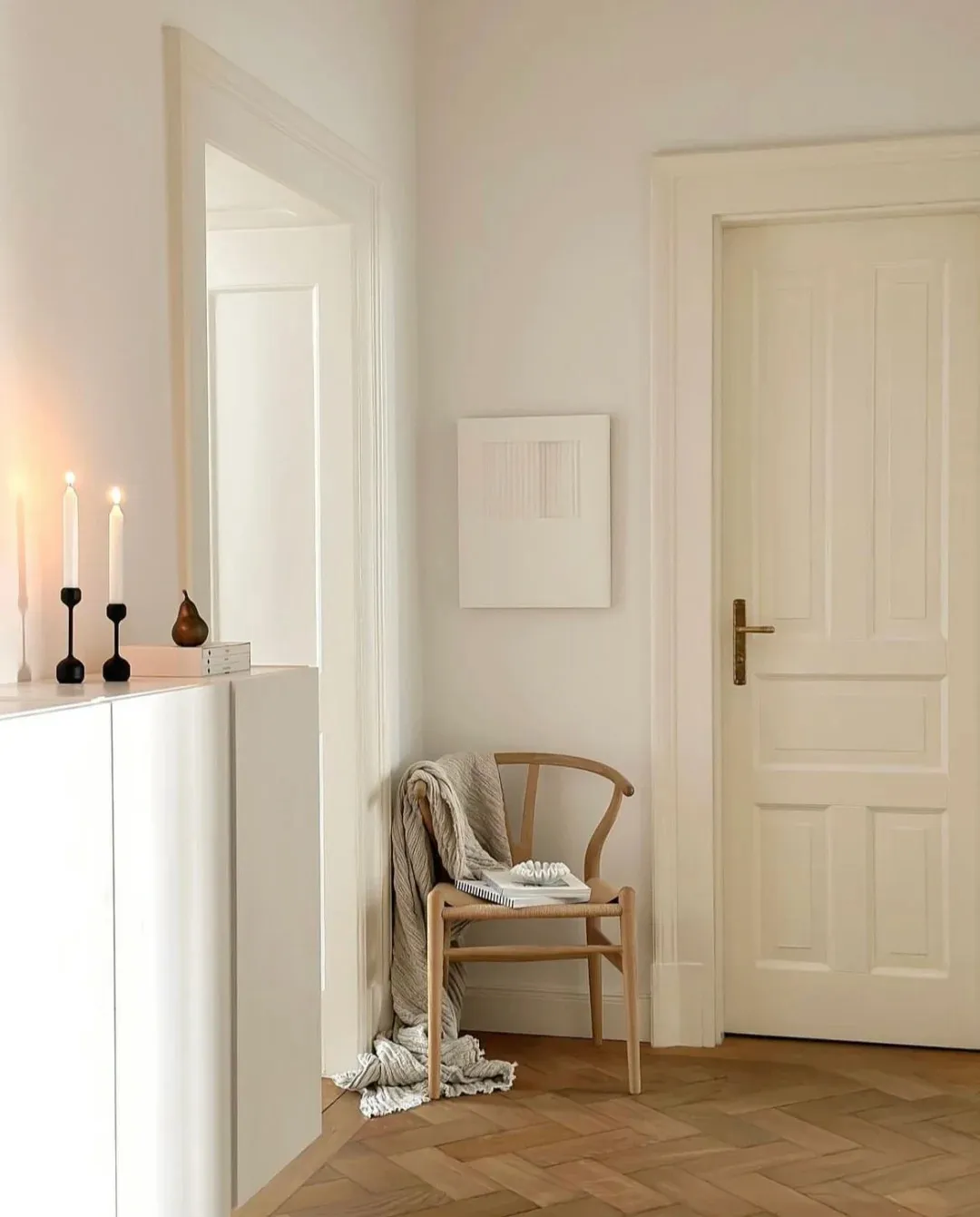
The Wishbone Chair, also known as the CH24, is unmistakably Scandinavian:
- Lightweight and functional
- Minimalist yet striking
- Built for modern living
But its DNA traces back to Ming Dynasty craftsmanship:
- The curved backrest mirrors the horseshoe-shaped back of traditional Chinese armchairs
- The emphasis on woodworking and joinery honors centuries-old techniques
- The balance of form and function reflects the same philosophy as Ming furniture
Wegner didn’t copy the Ming design—he translated it. He distilled its essence into a modern form, creating a chair that is both timeless and contemporary.
Why the Wishbone Chair Is a Design Icon
Today, the Wishbone Chair is recognized worldwide as a symbol of Scandinavian modern design. Its enduring popularity is due to:
- Craftsmanship: Each chair is meticulously handcrafted, reflecting a commitment to quality.
- Versatility: Its minimalist design fits both modern and classic interiors.
- Cultural Story: It carries a unique narrative of cross-cultural design inspiration.
In essence, the Wishbone Chair proves that great design knows no borders. It shows how ideas can travel across time, from the hands of Ming craftsmen to the imagination of a Danish designer—and into homes worldwide.
Conclusion: A Chair That Transcends Time
The Wishbone Chair is not just furniture—it’s a conversation across six centuries. It embodies a rare fusion of Eastern tradition and Nordic modernism, reminding us that innovation often comes from understanding and reinterpreting the past.
When you sit in a Wishbone Chair, you’re not just sitting—you’re connecting with a lineage of craftsmanship, philosophy, and timeless design.