.png?w=300&h=100)

How Furniture Influences Your Daily Mood and Energy Flow
Sep 19,2025
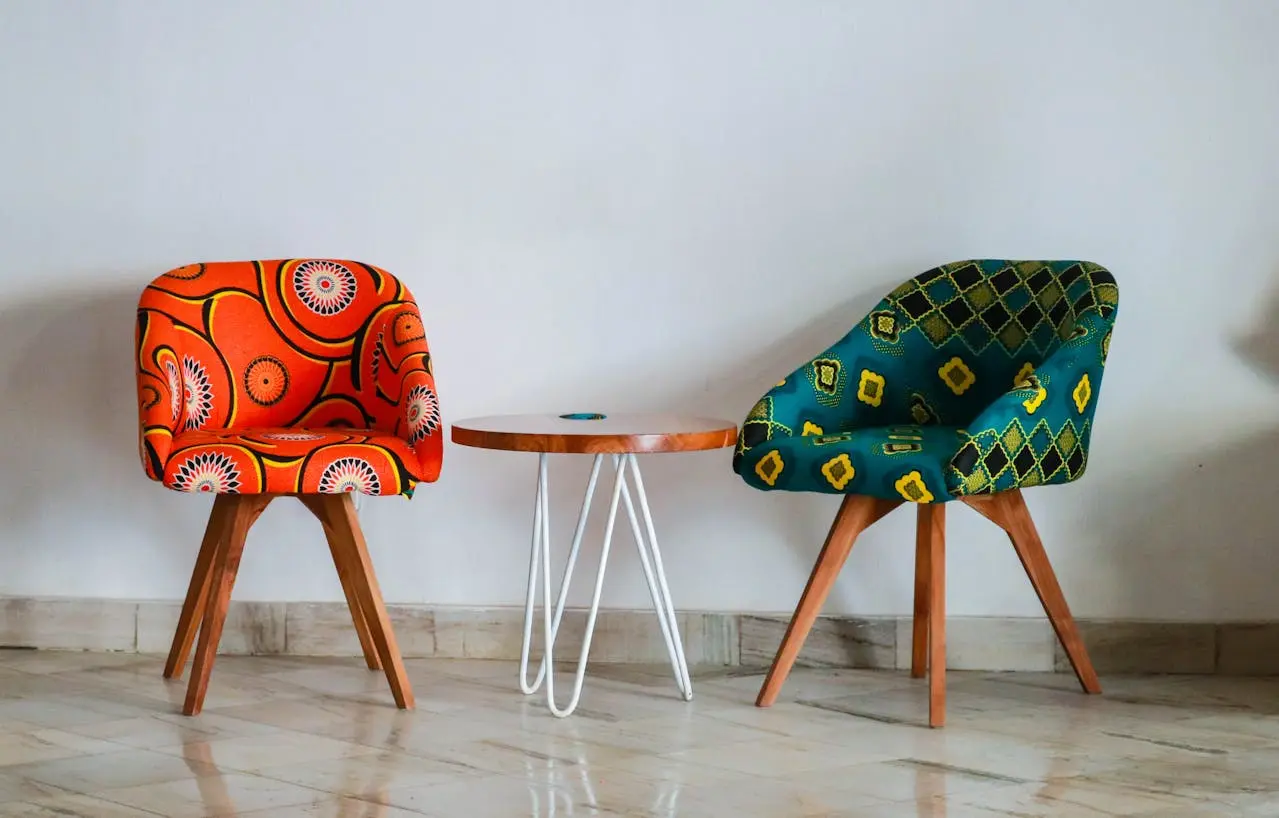
Our homes are more than just physical spaces — they’re emotional environments that shape how we feel, think, and live each day. Every design decision, from the color on the walls to the furniture layout, influences our mood and energy flow. Among these, furniture plays one of the most powerful roles.
The right furniture doesn’t just fill a room; it defines the rhythm of your life within it. It can energize your mornings, relax your evenings, and even influence creativity and focus throughout the day. Let’s explore how thoughtful furniture design and placement can elevate your emotional well-being and the energy flow of your home.
1. The Psychology of Space and Comfort
Furniture affects us on a subconscious level. When you walk into a room, your body instantly reacts to how the space feels — whether it’s open or cluttered, balanced or chaotic. A well-arranged room with comfortable, well-designed furniture promotes ease and positivity.
Think of your living room sofa: if it’s deep, plush, and supportive, it naturally invites relaxation and social connection. A dining table with good proportions encourages conversation and gathering. On the other hand, furniture that’s poorly placed or uncomfortable can subconsciously create tension or fatigue.
Comfort and proportion are key — when your body feels at ease, your mind follows.
2. Energy Flow and the Art of Furniture Placement
In design philosophies like Feng Shui, furniture arrangement directly impacts the energy (or “Chi”) that flows through a space. Good energy flow creates a sense of vitality and calm; bad flow can lead to stagnation and discomfort.
For instance, blocking pathways with large furniture pieces can make a room feel heavy and closed off. In contrast, arranging furniture to allow open movement promotes a sense of freedom and lightness.
Try to position seating so that you have a clear view of the room’s entrance — this creates a subconscious feeling of security and control. Rounded tables and curved edges also help soften energy flow, promoting harmony and relaxation.
3. Color, Material, and Emotional Resonance
The materials and colors of your furniture deeply influence mood. Wooden furniture, for example, adds warmth and connection to nature, while metal and glass evoke modernity and clarity. Soft fabrics invite comfort, while smooth, reflective surfaces energize a space.
Color psychology also plays a vital role:
-
Light woods and neutral tones promote calm and balance.
-
Earthy hues like walnut or oak create grounded stability.
-
Bold accent colors such as navy or deep green can inspire focus and confidence.
By mindfully combining materials and tones, you can curate an atmosphere that matches your emotional rhythm — from cozy and nurturing to clean and inspiring.
4. Declutter to Energize
Your furniture layout directly affects how clutter accumulates — and clutter, in turn, drains mental energy. Spaces overloaded with unnecessary furniture can feel overwhelming, while minimalist setups foster peace and focus.
When each piece in your home has a clear purpose and place, it contributes to a more balanced energy field. Functional design, hidden storage, and multi-purpose furniture are great ways to maintain visual calm while keeping your environment efficient and breathable.
A simple guiding rule: less furniture, more space — more space, more clarity.
5. Personal Connection and Emotional Energy
Finally, furniture isn’t just functional; it’s emotional. The pieces you choose reflect your identity and values. Whether it’s a handcrafted wooden table that reminds you of nature or a vintage armchair passed down through generations, these pieces carry emotional energy.
Surrounding yourself with furniture that has meaning brings comfort and joy. Every item tells a story — and together, they create a space that nurtures your emotional and spiritual well-being.
Final Thoughts
Your environment has the power to shape your mood, focus, and overall energy — and furniture is at the heart of that experience. Through mindful design, natural materials, and balanced placement, you can transform your home into a living, breathing extension of yourself.
When furniture aligns with comfort, function, and emotion, your space becomes more than beautiful — it becomes alive. It supports how you rest, work, connect, and dream.
By designing with intention, you’re not just decorating a home — you’re creating an energy flow that uplifts and inspires your daily life.