.png?w=300&h=100)

Minimalist Bedroom Design: Furniture Ideas for a Calm Space
Oct 02,2025
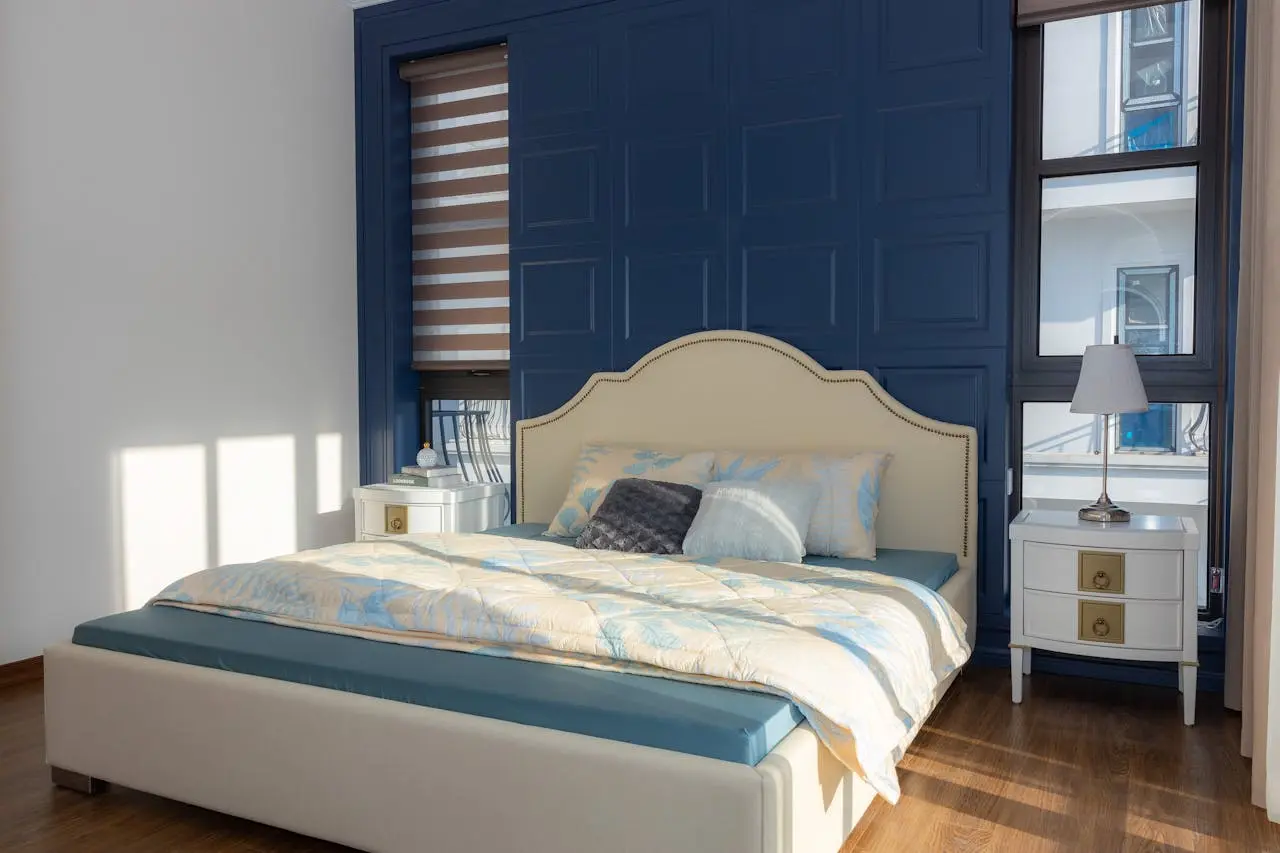
In today’s fast-paced world, our bedrooms have become more than just a place to sleep—they’re our personal retreats from everyday stress. A minimalist bedroom design embraces the idea of “less is more,” creating a calm, clutter-free environment that promotes rest, relaxation, and mindfulness.
If you’re looking to transform your bedroom into a serene sanctuary, here are some furniture ideas and design tips to help you craft a truly minimalist and peaceful space.
1. Start with a Simple Bed Frame
The bed is the focal point of any bedroom, and in a minimalist setting, it should be clean, functional, and understated. Opt for a low-profile platform bed with straight lines and a neutral finish. Natural materials like oak, walnut, or bamboo bring warmth without visual clutter.
Avoid ornate headboards or bulky frames—instead, choose a sleek, floating design that enhances a sense of openness. Pair it with crisp white or muted bedding to complete the tranquil look.
2. Use Neutral and Soft Color Tones
Minimalist bedrooms thrive on a calm color palette. Shades of white, beige, gray, and muted pastels help create a soothing atmosphere. To add depth, incorporate subtle contrasts like warm wood accents or soft textures in your furniture.
For example, a light wood dresser against a soft gray wall or a beige upholstered bench at the foot of the bed can bring balance without overwhelming the space.
3. Choose Multi-Functional Nightstands
Nightstands in a minimalist bedroom should combine practicality and simplicity. Look for floating bedside tables or slim designs with just one or two drawers for essentials. Avoid cluttering the surface—keep only what you truly need, such as a lamp, a book, or a small plant.
A consistent color tone between your bed frame and nightstands enhances cohesion and harmony in the room.
4. Embrace Hidden Storage Solutions
One of the key principles of minimalist design is eliminating visual chaos. That’s where hidden storage comes in. Choose furniture pieces that serve more than one purpose—like under-bed drawers, built-in wardrobes, or storage benches.
These pieces keep your belongings organized and out of sight, maintaining a clean, open feel. The goal is to create an environment where every item has a place and nothing feels excessive.
5. Simplify with a Minimalist Dresser or Wardrobe
When it comes to storage furniture, think simple and streamlined. Go for a dresser or wardrobe with a smooth, handleless design and a matte or natural wood finish. The fewer visual distractions, the calmer your room will feel.
If space allows, consider a wall-mounted storage unit that keeps the floor area clear and enhances a sense of lightness.
6. Add a Statement Accent Chair
Minimalism doesn’t mean boring. A single statement furniture piece, like a sculptural accent chair or a woven lounge seat, can add personality without disrupting the serene vibe. Choose a design that aligns with your overall palette—think soft neutrals or organic materials like rattan or linen.
7. Keep Décor Minimal Yet Meaningful
In a minimalist bedroom, every object should have purpose and intention. Instead of filling your space with decorative items, opt for a few thoughtful accents—perhaps a ceramic vase, a framed art print, or a small indoor plant.
Plants like peace lilies or snake plants add a touch of life and freshness while purifying the air. Remember: empty space is just as important as what fills it.
8. Use Lighting to Create Warmth
Good lighting can make or break a minimalist bedroom. Choose soft, ambient lighting through pendant lamps, wall sconces, or warm LED strips under shelves. Avoid overly bright or harsh lighting—soft glows encourage relaxation.
Natural light is also key. Keep window treatments simple with sheer curtains or neutral blinds to let sunlight flow in freely.
9. Focus on Quality, Not Quantity
Minimalism isn’t about having less—it’s about having better. Invest in high-quality furniture made from sustainable materials that last for years. Each piece should serve a clear function while adding aesthetic value to your space.
Final Thoughts
A minimalist bedroom design invites calm, balance, and clarity into your everyday life. By choosing intentional furniture pieces, embracing neutral tones, and decluttering your space, you can create a bedroom that feels restful and rejuvenating.
Whether you’re redecorating from scratch or simply simplifying your current setup, remember that minimalism isn’t about perfection—it’s about creating a space that feels light, functional, and truly yours.