.png?w=300&h=100)

The Return of Soriana: Why This 1970s Italian Sofa Is Nearly Impossible to Find Today
Dec 02,2025
In today’s design market, few vintage pieces generate as much attention—and frustration—as the Soriana sofa. Browse international design galleries, high-end vintage dealers, or platforms like 1stDibs, and you’ll quickly notice the same pattern: Soriana listings are almost always marked “SOLD”, often with five-figure price tags.
So why has a sofa that looks soft, slouchy, and almost playfully oversized become one of the most sought-after icons of Italian modern design?
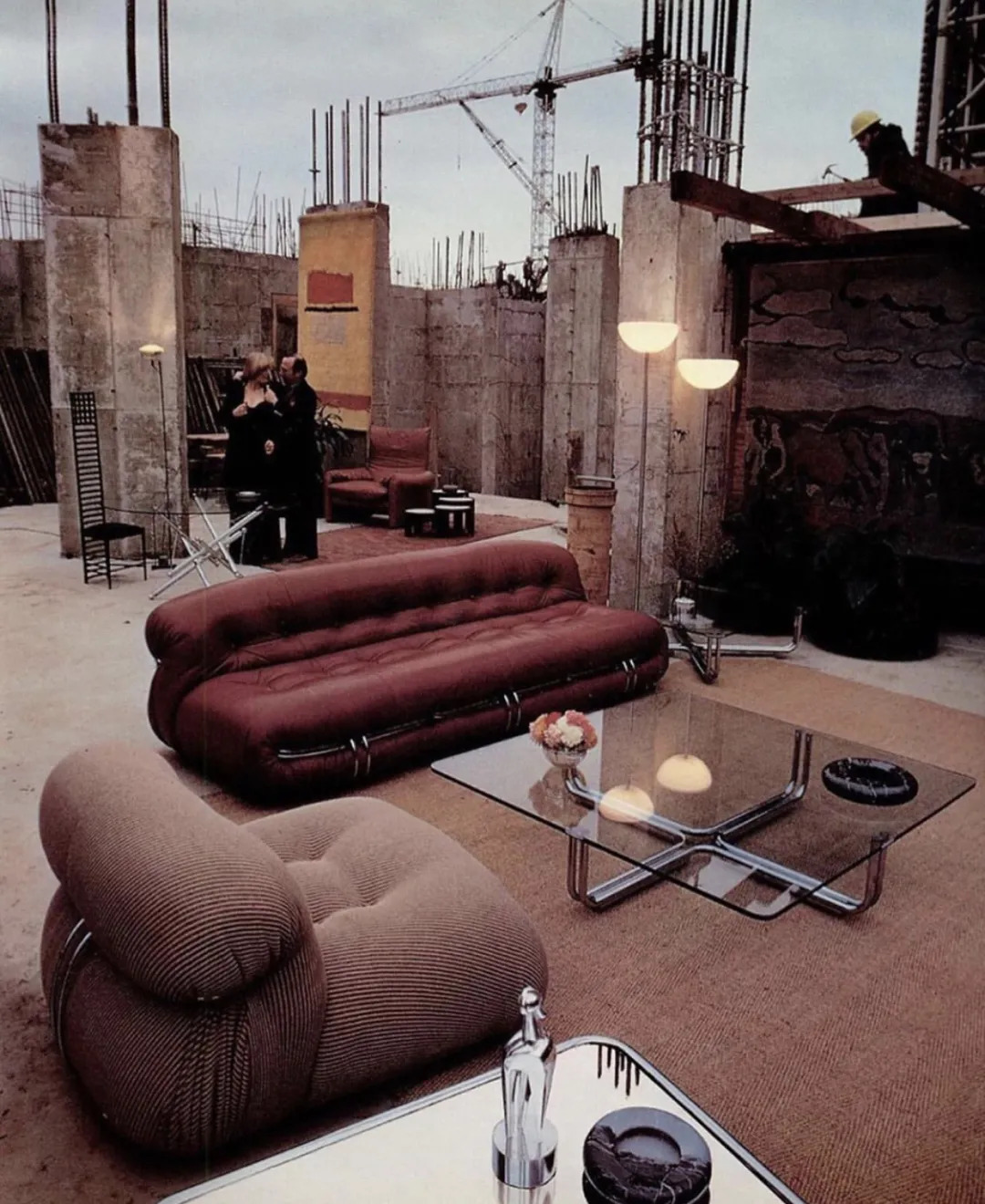
A Design Icon Born in the 1970s
Originally designed in 1969–1970 by Italian design duo Tobia Scarpa and Afra Scarpa, Soriana Seating quickly rose to fame after winning the prestigious Compasso d’Oro award in 1970. Shortly afterward, the collection entered production under Cassina, cementing its place in the golden age of Italian furniture design.
During the 1970s, Soriana resonated with a generation seeking comfort, freedom, and a break from rigid modernist forms. However, as minimalism took hold in the 1980s, its relaxed, voluminous silhouette fell out of favor, leading to its discontinuation in 1982.
What Makes the Soriana Sofa So Unique?
At first glance, Soriana appears deceptively simple—almost like a sofa resting directly on the floor. But its innovation lies beneath the surface. Unlike traditional upholstered furniture built around an internal wooden frame, Soriana completely reverses the construction logic.
The seating is formed from molded polyurethane foam, wrapped in leather or fabric, and then externally compressed by a chromed steel frame. This visible metal structure replaces the hidden skeleton found in conventional sofas, giving Soriana its unmistakable shape and soft, gathered appearance.
This radical approach was only possible thanks to advancements in foam molding technology at the time, allowing the Scarpa duo to rethink comfort, structure, and aesthetics as a single system.
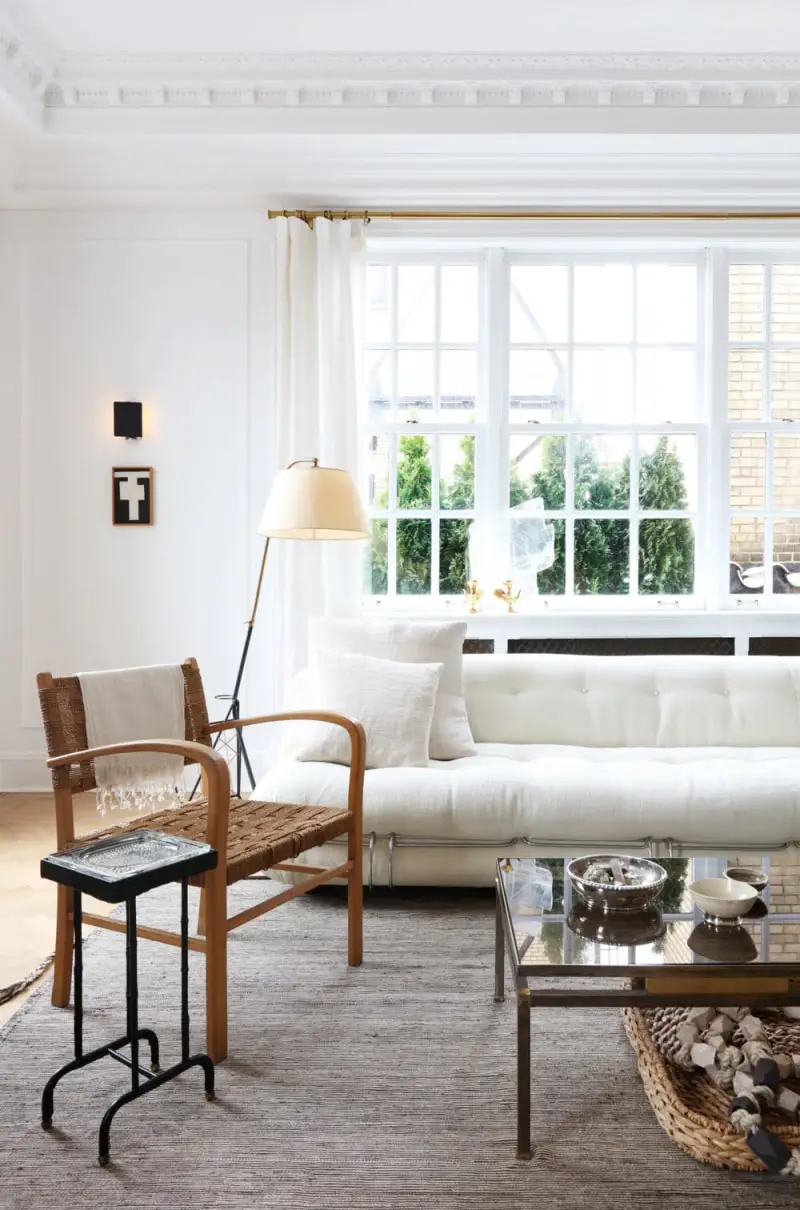
Why Soriana Is Back—And More Popular Than Ever
Soriana’s modern revival can be traced largely to contemporary interior designers who champion layered, expressive spaces. Among them, American designer Kelly Wearstler played a pivotal role. By featuring Soriana sofas extensively in her Malibu beach house and later hospitality projects, she reintroduced the piece to a new generation of collectors and designers.
Soon after, Soriana began appearing in the homes of designers, stylists, and creatives across the United States—often paired with Scandinavian chairs, vintage lighting, or sculptural art. Its adaptability proved that Soriana is not just a retro statement, but a timeless anchor for modern interiors.
A Complete Seating System, Not Just a Sofa
Soriana was designed as a full seating family, including single lounge chairs, two- and three-seater sofas, armless versions, and chaise lounges. According to Cassina’s historical archives, its visual complexity is achieved through structural simplicity—a philosophy that defines many enduring design classics.
Because production ended decades ago, authentic Soriana pieces on the market today are vintage originals. Restoring them requires specialized craftsmanship, adding to both their cost and desirability. Every visible button, clamp, and fold serves a functional purpose, reinforcing the idea that Soriana’s beauty is inseparable from its engineering.
From Forgotten Classic to Design Investment
In an era where furniture is increasingly treated as disposable, Soriana stands as a reminder of when design prioritized longevity, experimentation, and emotional comfort. Its resurgence reflects a broader shift in interior design—away from strict minimalism and toward tactile, inviting forms that encourage relaxation and individuality.
For collectors and design enthusiasts alike, Soriana is no longer just a sofa. It is a cultural artifact, a symbol of 1970s Italian creativity, and a rare piece of functional art that continues to shape interiors more than half a century later.
No wonder it’s so hard to find.
FAQ
1. What makes the Soriana sofa so iconic in design history
The Soriana sofa is celebrated for its ultra‑soft, pillow‑like appearance and modular comfort. Designed in the 1970s by Afra & Tobia Scarpa, it broke from rigid mid‑century forms with its overstuffed cushions and casual, inviting silhouette, making it a timeless piece in Italian design.
2. Who originally designed the Soriana sofa and when was it released
The Soriana was designed by Italian designers Afra & Tobia Scarpa and first released in 1973 by Cassina. Its relaxed form and innovative construction quickly made it a standout in modern furniture design.
3. Why is the Soriana sofa so hard to find today
Original Soriana sofas are rare because production was limited in the 1970s, demand among collectors has surged, and many existing pieces have been lost or heavily used over time. High‑quality originals that remain are often held in private collections or sold through specialist vintage dealers.
4. Are there modern reproductions or inspired pieces available
Yes — several contemporary furniture makers create pieces inspired by the Soriana’s look and comfort. However, these reproductions vary in materials and craftsmanship, and they rarely match the quality and design authenticity of original 1970s Italian examples.
5. How can someone identify an authentic vintage Soriana sofa
Authentic vintage Soriana sofas typically feature original Cassina labels or maker’s marks, premium fabric or leather, and construction consistent with 1970s Italian production standards. Provenance documentation and verified seller reputation also help confirm authenticity.