.png?w=300&h=100)

Togo Sofa: The 1973 "Caterpillar" Revolution That Redefined Comfort
Dec 17,2025
In the world of interior design, few pieces are as instantly recognizable as the Togo Sofa. Often affectionately called the "Caterpillar" sofa, this iconic piece of furniture did more than just offer a place to sit; it sparked a "ground revolution" that changed our relationship with living spaces forever.
Born in 1973, the Togo remains the crown jewel of the French brand Ligne Roset. But what makes a 50-year-old, legless cushion so relevant in 2026? Let’s dive into the story of this mid-century masterpiece.
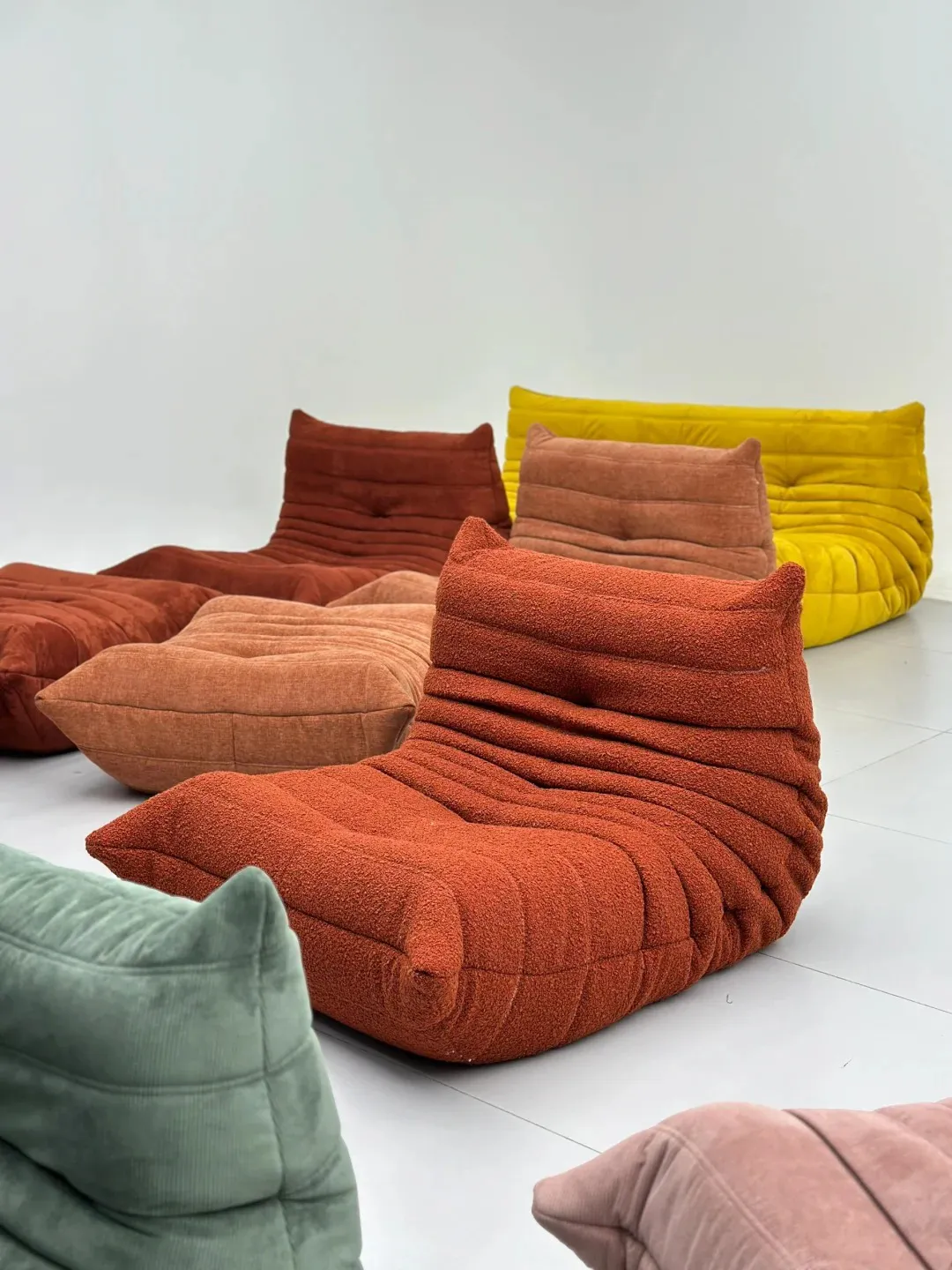
The "Mistake" That Changed Everything: A History
The story of the Togo begins with French designer Michel Ducaroy. While observing the way aluminum tubes bent, Ducaroy noticed how the material naturally formed folds and wrinkles at the curves.
Instead of seeing these "imperfections" as a flaw, he saw an opportunity. He asked a radical question: Why must a sofa have legs? Why can’t it support the body through its own structure and folds?
When the Togo was first unveiled at the Salon des Arts Ménagers in Paris in 1973, critics were skeptical. "It’s not a sofa!" they claimed. Ducaroy’s response remains legendary: "The Togo isn’t for you to sit on; it’s for you to be embraced."
The Support Philosophy: Wisdom in the Wrinkles
The Togo’s revolutionary nature lies in its frameless construction. Unlike traditional sofas that rely on wooden frames and metal springs, the Togo is built entirely of foam.
1. The Five-Layer Secret
Underneath those famous pleats lies a complex engineering feat. Each Togo features five different densities of polyether foam. By layering high-density foam at the base and softer densities toward the surface, the sofa provides progressive support that contours perfectly to the human body.
2. Low Center of Gravity
By abandoning legs and embracing the floor, the Togo lowers the room's visual center of gravity. This creates a sense of safety, openness, and psychological relaxation that high-backed, legged chairs simply cannot match.
3. Total Freedom of Form
Whether you want to sit cross-legged, lie on your side, or lounge face-down with a laptop, the Togo accommodates you. It is a "free form" piece of furniture designed for a lifestyle without restrictions.
Handcrafted Excellence: 6 Hours of Artistry
Despite its casual appearance, the Togo is incredibly difficult to manufacture. Each piece requires 6 to 8 hours of intensive manual labor at the Ligne Roset factories in France.
-
Precision Cutting: Every foam layer must be cut to exact specifications to ensure structural integrity without a frame.
-
The "Sock" Technique: The fabric or leather cover is pulled over the foam structure like a sock.
-
Manual Pleating: The signature "wrinkles" are not accidental—they are meticulously arranged by hand to ensure the sofa ages gracefully and maintains its shape.
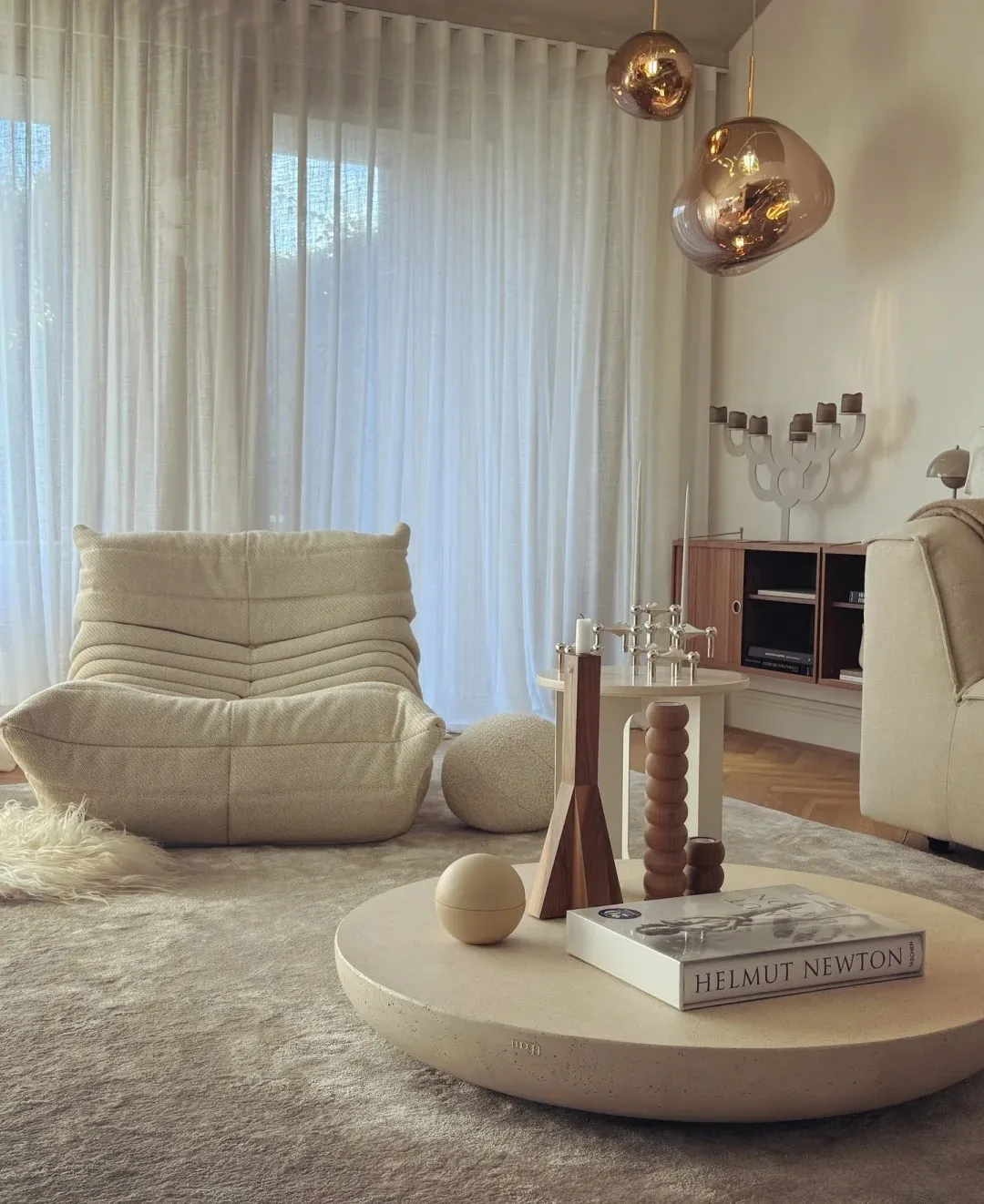
Why the Togo is a 2026 Interior Essential
While it faced a lukewarm reception in the 70s, the Togo exploded in popularity during the 1990s and has remained a staple in luxury lofts and minimalist apartments ever since.
-
Small Space Friendly: Its low profile makes small apartments feel larger and more airy.
-
Modular Versatility: From the fireside chair to the large corner settee, the Togo can be configured to fit any room.
-
Emotional Connection: In a fast-paced digital world, the Togo represents the "art of lounging"—a physical invitation to slow down and "lie flat."
Conclusion: A Legacy of Softness
The Togo Sofa is more than just a piece of furniture; it is a philosophy of living. By prioritizing the human body over rigid architectural forms, Michel Ducaroy gave the world a gift of freedom.
Whether you are working from home, enjoying family time, or seeking a solitary reading nook, the Togo remains the ultimate symbol of effortless chic.
Where would you place a Togo in your home? Let us know in the comments!
FAQ
1. What is the Togo sofa and why is it important in design history
The Togo sofa is a low‑lying, all‑foam, cocoon‑like seating piece designed in 1973 by Michel Ducaroy for Ligne Roset. Its unique ergonomic shape and lack of a traditional frame made it revolutionary in modern furniture design, prioritizing comfort and casual living.
2. Who designed the Togo sofa and when was it released
The Togo was designed by French designer Michel Ducaroy and introduced in 1973. It quickly became iconic for its relaxed silhouette and innovative use of foam and quilting.
3. What makes the Togo sofa so comfortable
The Togo’s comfort comes from its generous, multi‑layered foam construction that contours to the body without rigid support. Its ergonomic design and quilted surface provide plush seating that feels both supportive and inviting.
4. Are there different configurations of the Togo sofa
Yes, the Togo line includes a variety of configurations such as single seats, loveseats, sectionals, ottomans, and corner units. This flexibility allows users to tailor the layout to their space and comfort needs.
5. How can you tell if a Togo sofa is authentic
An authentic Togo sofa will have original Ligne Roset tags or labels, consistent high‑quality foam and upholstery, and precise stitching patterns. Buying from reputable retailers or vintage dealers with documented provenance also helps ensure authenticity.